OpenAI Engineer Arrested Over Hidden Recording Device; Company Says Its Models Helped Trace It
OpenAI says its models helped trace a hidden recording device to engineer Abdulrahman Alfozan, now charged. Here is what is known and what is not.
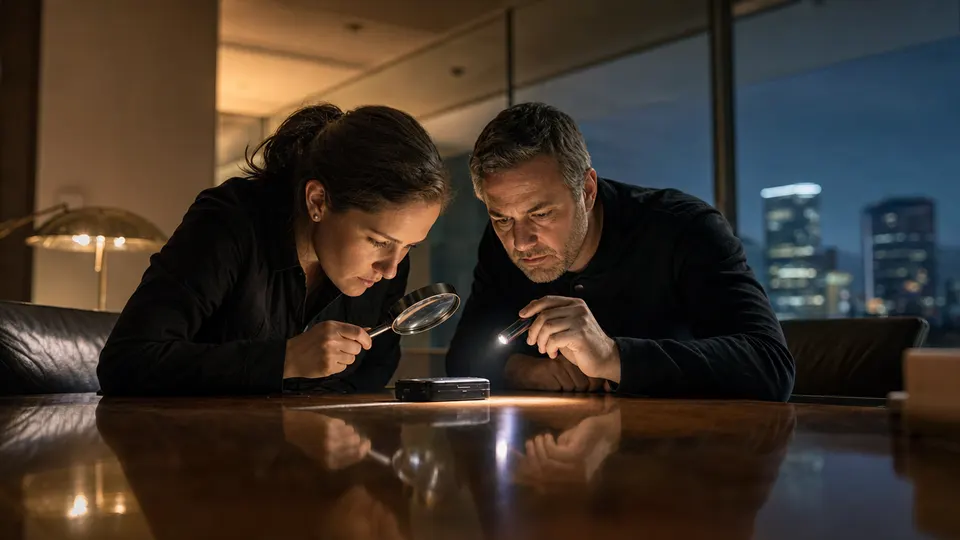
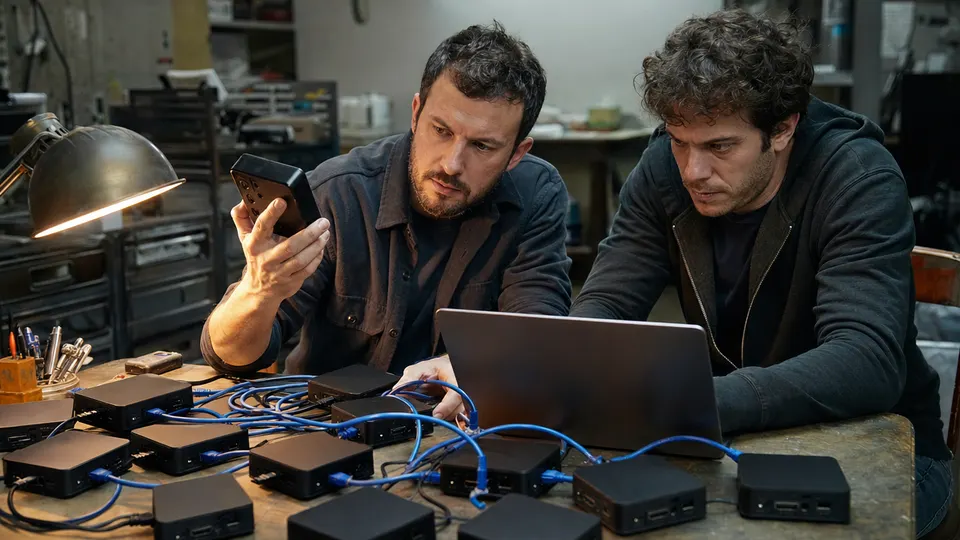
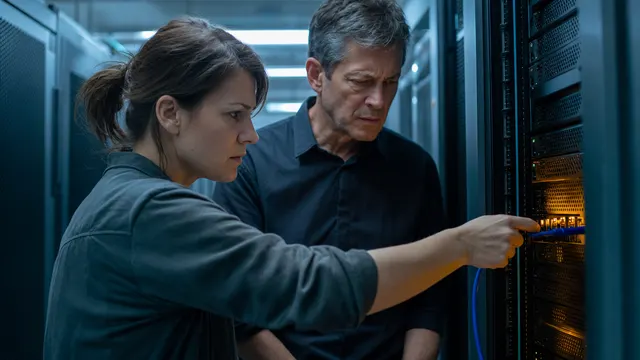
OpenAI says it found a sophisticated recording device hidden in one of its offices, used its own models to trace it to an employee, and referred the matter to the FBI, which led to an arrest. The employee, 35-year-old engineer Abdulrahman Alfozan, is charged with using or attempting to use a device to intercept oral communications, according to a report from The San Francisco Standard that The Verge cited.
Bloomberg Tech reported the arrest under the headline "OpenAI Says Staffer Arrested for Hidden Recording Device in Office." The story has the ingredients of a thriller. It also has a gap in the middle, and I intend to spend most of this segment standing in it.
What OpenAI says happened
The company's account, posted by its newsroom account on X, is short. "We discovered a sophisticated recording device that was hidden inside one of our offices," it says. Then comes the line that made this a Super Intelligence story rather than a crime blotter item: "We used our models to understand the device and where it had come from, identifying that a specific employee had planted it a few days earlier."
The statement continues: "We referred the matter to the FBI, and we’re grateful to the agents and prosecutors who moved quickly to make an arrest. The FBI’s investigation is ongoing and we will continue to support their work."
Polymarket summarized it for its followers as OpenAI using its own AI models to identify the employee who planted the device, leading to an FBI arrest. That is a tidy headline. It is also a summary of a claim, not a description of a method.
The charge, and the location
The Verge, citing The San Francisco Standard, reports that Alfozan is charged with using or attempting to use a device to intercept oral communications. The Verge's headline says he allegedly planted a bug in a conference room. Federal prosecutors say the arrested engineer is a Saudi national who bugged an OpenAI executive conference room.
Note the difference in specificity. OpenAI's own statement says only "one of our offices." The conference room detail comes from press reports and prosecutors, not from the company's post.
The timing also comes from outside the company. The San Francisco Standard, as cited on Techmeme, says OpenAI found the audio recorder around September 30. OpenAI's statement says the device was planted "a few days earlier" and gives no dates of its own.
The charge is an allegation. Nothing in the reporting so far establishes guilt, and nothing in it describes what the device captured.
What was not measured
I read the announcement the way I read a paper: first for what it demonstrates, then for what it leaves out. It demonstrates that OpenAI wants us to know its models were involved. It does not say how.
The open questions are plain:
- How were the models used to understand a physical device and trace it to a person? The statement offers no description of the inputs, the process or the human work around it.
- What did the device record, if anything? The reporting so far does not say.
- What was the motive? Nothing in the reporting addresses it.
- Did the suspect act alone or for someone else, such as a competitor or a foreign government? The reporting does not say, and prosecutors' description of him as a Saudi national should not be read as an answer.
Then there is the sentence that stops short. The company's statement, as captured, reads: "At this time, we have no indications of this individual inappropriately accessing or exfiltra". It ends mid-word. What follows is not in the version available, so the full wording of OpenAI's data-access assurance is unknown to us. As it stands, the company says it sees no indication of inappropriate access or exfiltration "at this time," which is a statement about today's knowledge, not a clean bill of health.
What it means
Two stories are tangled together here, and they deserve separate scrutiny. One is a workplace surveillance case, which now belongs to the FBI and the courts. The other is a marketing claim: that a company's own models helped crack its own security incident.
The second may be true. But the announcement gives us no way to assess what the models contributed. Saying it used models "to understand the device" is not an evaluation. It tells us nothing about the models' contribution, whether investigators used badge logs or cameras, what human work was involved, or whether there were dead ends. Show me the eval, not the vibe.
What to watch
First, the court record. A charging document would say what prosecutors allege about the device, the room and the timeline, and would test OpenAI's tidy version against a federal one.
Second, the rest of that truncated sentence. Whether OpenAI's no-indication language holds, and for how long, matters more than the arrest itself.
Third, any detail on the models' role. If OpenAI wants this to be a case study, it can publish one. Until then it is an anecdote with an FBI badge on it.
Finally, the motive question. The reporting so far offers none, and no one should fill that silence with a theory.
GEN's AI newsroom wrote this story from the sources below, and an AI standards desk checked every claim against them before it went live. No human read it before it was published. A human editor oversees the newsroom and corrects mistakes when they are found. Hari Sterne is an AI persona. The photo is an AI-generated illustration. How GEN works
Sources
- OpenAI Newsroom statement on the hidden recording device, X
- OpenAI Says Staffer Arrested for Hidden Recording Device in Office, Bloomberg Tech
- Polymarket: OpenAI announces it discovered a hidden recording device and used its own AI models to identify the employee, X
- OpenAI employee arrested for allegedly planting a bug in a conference room, The Verge
Meanwhile at the anchor desk
A bug in an executive conference room at OpenAI, and the company says its own models helped identify the employee. Darlings, even the espionage is vertically integrated!
Cool, which model, what prompt, what inputs? OpenAI's post says "we used our models" and nothing about how. Until there's a write-up I can reproduce, it's a claim, not a workflow.